
Practical, proportionate air quality mitigation strategies developed in consultation with your design team and local planning authority. We translate assessment findings into clear, enforceable site management requirements that protect air quality without impeding programme.
An emission mitigation plan (EMP) — sometimes called an Air Quality Management Plan (AQMP), Dust Management Plan (DMP) or Construction Air Quality Management Plan (CAQMP) — is a site-specific document specifying the practical measures a developer, contractor or operator will implement to control air quality emissions from a development. It is typically required as a planning condition or as part of a Construction Environmental Management Plan (CEMP). Viridian Air prepares standalone EMPs and air quality chapters for CEMPs, drawing on the findings of our air quality assessments and construction dust risk assessments to specify measures that are proportionate to the identified risk and realistic to implement on site.
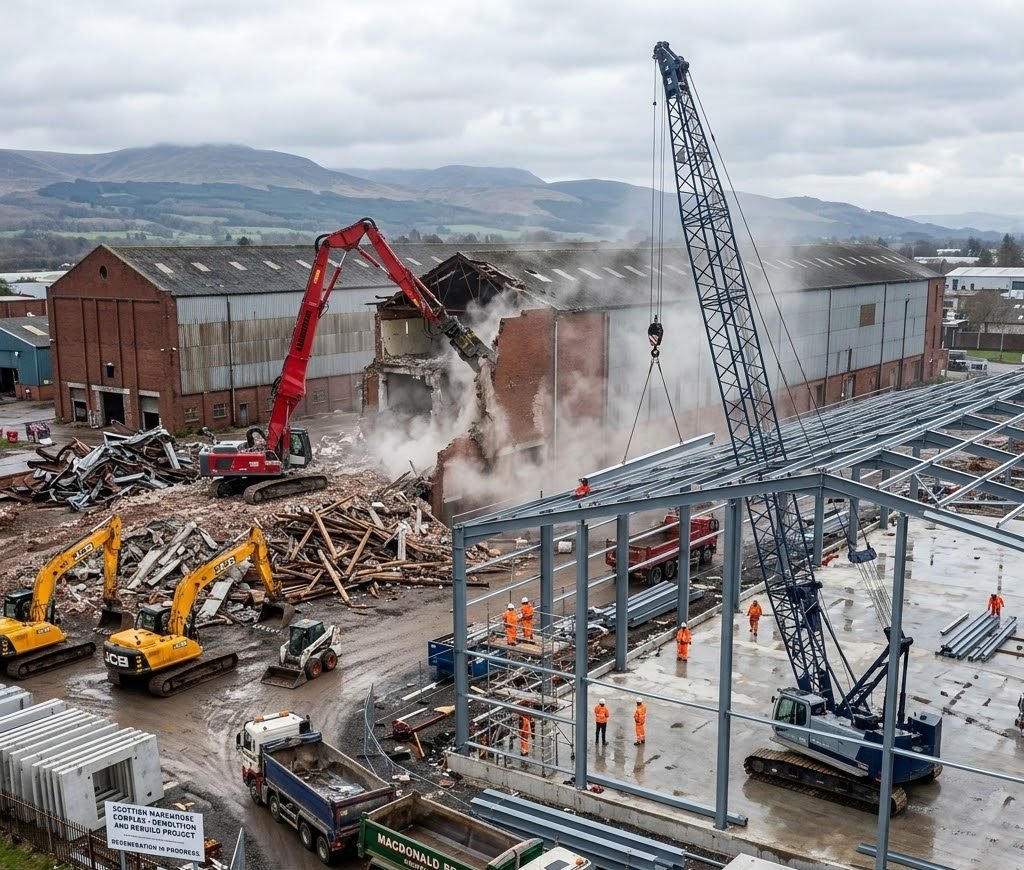
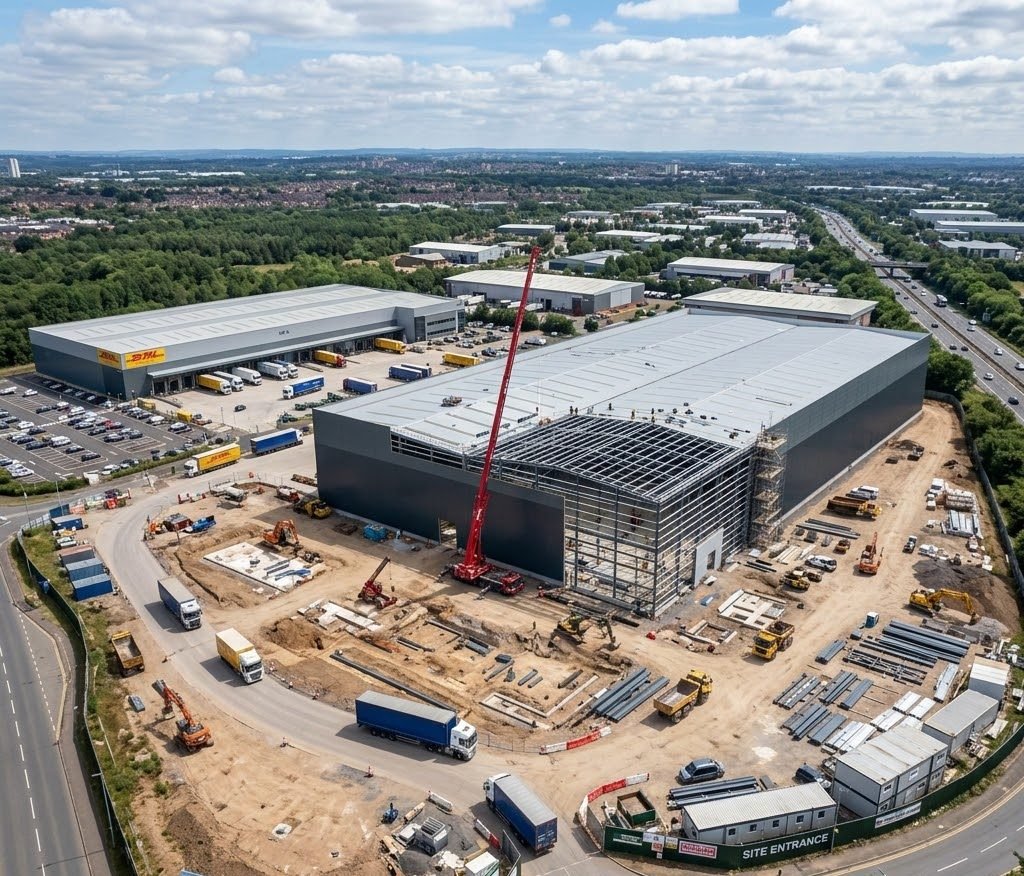
Getting mitigation right first time. Poorly written EMPs — those that list generic measures without site-specific rationale — are often rejected or returned with conditions by planning officers. Our EMPs are written as genuinely enforceable site management documents with clear responsibilities, monitoring requirements and trigger thresholds.
The content and depth of an EMP depends on the scale and sensitivity of the scheme. A well-structured EMP typically includes:
For operational phases — particularly schemes with combustion plant, HGV traffic or industrial processes — we prepare operational air quality management plans covering:

IAQM-compliant AQDRA providing the risk assessment that informs the emission mitigation plan.
Full planning application air quality assessments from screening to EIA.
London Plan SI1 compliance for major developments in Greater London.
Where a construction dust risk assessment identifies medium or high risk at any receptor, an emission mitigation plan is always required. For low-risk schemes, many local authorities accept a brief statement of good-practice measures rather than a full standalone EMP. We advise on the appropriate level of detail for your specific scheme and local authority requirements.
The Mayor of London requires that all non-road mobile machinery used on construction sites within Greater London must meet a minimum emission standard. For sites within the Ultra Low Emission Zone (ULEZ) boundary, stricter standards apply. The EMP must include an NRMM inventory and evidence of compliance. We prepare NRMM registers and EMP chapters that meet the GLA's current requirements.
Yes. We regularly produce standalone air quality and dust chapters for insertion into a main CEMP prepared by an environmental consultant or contractor. We can work directly with your CEMP author to ensure the air quality chapter integrates consistently with the wider document structure and satisfies the relevant planning condition.
The monitoring programme should be proportionate to the risk level identified in the AQDRA. For high-risk sites near sensitive receptors, real-time continuous dust monitors with defined alert and action thresholds are typically required. For lower-risk sites, periodic visual inspections and a complaint log may be sufficient. We specify a programme that satisfies the local authority while remaining operationally practical for the contractor.
Tell us about your scheme and we will confirm requirements and provide a fixed-fee quotation within 24 hours.